AI Development | Technology Consulting Company Australia

-
Address: Perth, WA
-
Email: hello@avenuegroupaus.com.au
-
Phone: 0400-082-072

Blog
Understanding the 7
Phases of Web Design: From Planning to Launch
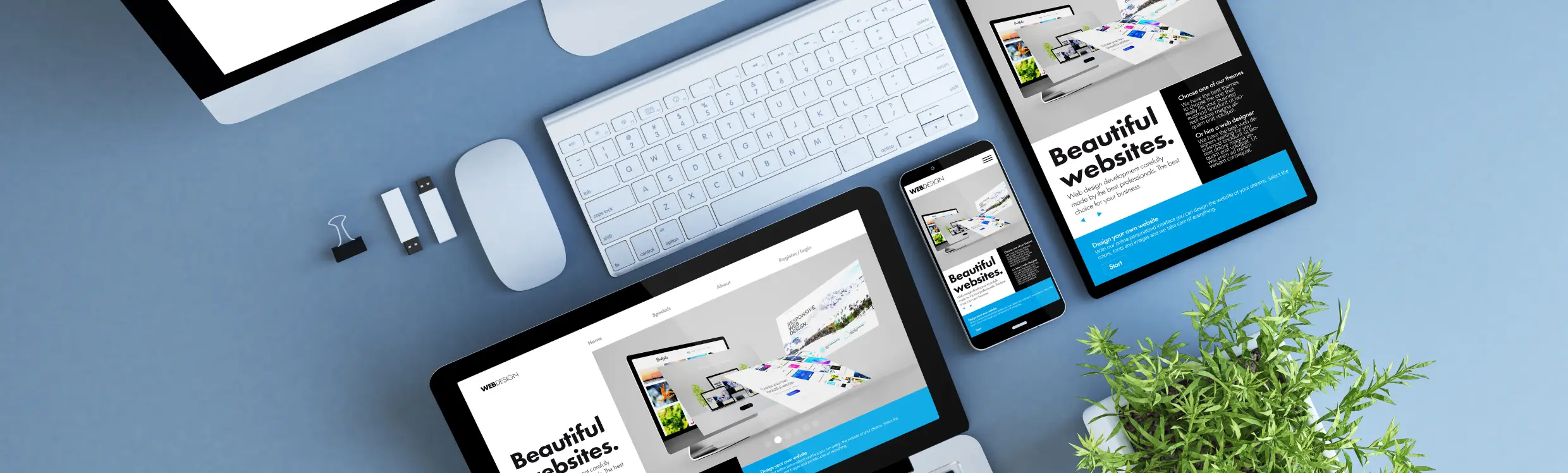
A website can look great and still fail to turn visitors into customers. Sometimes, the problem lies in how it works, how information is presented, or how easily people can find what they need. Understanding the phases of web design helps bring visual appeal, functionality, and user experience together to create a website that supports real business goals.
Understanding Web Design
Web design is the process of planning and creating a website’s layout, visual elements, and overall look and feel. It involves everything from colours, fonts, and images to page layouts and navigation, all coming together to create a website that feels just right to use.
But good web design goes way beyond appearance. It accounts for how people interact with a website, how quickly they are able to find information, and how well the pages work across different devices.
For example, a hotel website that’s compelling and has clear menus, appetising food photos, simple navigation, and an easy booking option allows visitors to find anything without hassle.
Ultimately, a good web design is all about creating a website that’s visually appealing, easy to get around, and one that makes visitors take the necessary next steps with ease.
Let’s understand each phase of web design in depth.
Phase 1: Briefing
The process for web design begins with a shared understanding between the client and the design team. This phase allows both sides to understand the actual business, its goals, target audience, and expectations well before work starts.
A website brief outlines the key details needed to plan the project, including:
- ➔ Business objectives: The purpose of the website and what it should accomplish.
- ➔ Target audience: For whom the website is intended and what visitors require.
- ➔ Business and market: The company’s identity, competitors, and key differentiators.
- ➔ Design and functionality: The preferred visual style, website type, features, and languages.
- ➔ Project requirements: Deadlines, budget constraints, domain details, and technical limitations.
These details guide decisions about the website’s design, content, and structure. They also help identify the type of website required, whether it’s a corporate website, online store, catalogue, blog, forum, or institutional website.
A Quick ExampleA local clothing boutique looking to expand its customer base might need an e-commerce website with product listings, secure payments, inventory management, and a fashion blog. Its brief would also outline its target customers, preferred design, and business goals.
Once the brief is finalised, the design team reviews the available brand assets, images, and existing website materials before moving to the next phase: project analysis.
Phase 2: Analysis
Once the briefing is finished, the next step is to assess the collected information and build a web design strategy that aligns with the client’s objectives and market expectations.
This involves studying competitors within and beyond the sector, reviewing their website designs, specifications, user experience, and marketing approaches to find out areas of strength, weakness, and opportunities to stand out in a cutthroat market.
If the client already has a website, our experts also assess its performance by reviewing traffic, conversion rates, and user behaviour. With the help of these insights, we identify areas where we are falling short and make necessary decisions for the new or redesigned website.
Phase 3: Planning
Now that the goals and analysis are in place, the planning phase lays out a straightforward roadmap for the web design project. This involves defining tasks, assigning responsibilities, coordinating department teams, and setting proper deadlines to keep the project on track.
An important step is to create a sitemap that outlines the website’s pages, categories, and navigation menus. This helps organise content more logically, so visitors can easily find what they are looking for.
The team also decides on the website’s technology, design approach, and interactive features like forms and customised tools, on the basis of the client’s requirements.
Before making a move to the next phase, the team reviews the plan with the client and gathers the necessary materials, including text notes, images, and brand assets.
Phase 4: Design and Prototyping
With the planning complete, the design phase focuses on crafting the website’s visual appearance and layout. Businesses seeking website design services in Perth can work with a design team to select colours, typography, icons, and other design elements, as well as create a logo if needed.
The process starts with wireframes, which outline the placement of key elements and the overall page structure. These serve as a blueprint for the website before detailed design work begins.
Next, the team develops sample designs for key pages, such as the homepage, services, product details, and contact page. This lets the client review different styles and suggest changes before approving the final design.
Throughout this phase, the team considers user experience, interface design, and responsiveness to ensure the website works well across different devices. Mockups and prototypes can also help the client visualise how the website would look as an end result.
Once the design is approved, the project moves into development, where the approved layouts are built into a functioning website.
Phase 5: Web Content
Once the design takes shape, the next step is to prepare the content that brings the website to life. This includes writing clear, engaging text that speaks to the target audience, incorporates relevant keywords naturally, and supports the website’s goals. Visually appealing images, videos, and other visual elements also help communicate information and keep visitors engaged.
The client’s input is essential at this stage to ensure the content accurately reflects the brand, its business, services, and voice. Legal content, such as privacy policies, cookie notices, and terms and conditions, must also be included. Depending on the business, additional information about shipping, returns, cancellations, or bookings might be required.
For instance, an online store requires clear, to-the-point product descriptions, pricing, delivery details, and return policies to help customers make informed purchases.
Phase 6: Web Development
Once the design and content are ready to go, the project moves into development. In this phase, devs turn the approved layouts into a working website, building its front-end interface and back-end functionality.
The team selects suitable technologies based on the project’s requirements. These might include a content management system (CMS) such as WordPress or programming languages such as JavaScript and PHP. The focus is on ensuring that the website works seamlessly, loads fast, and delivers the features agreed upon in the planning phase.
For businesses investing in website design services in Perth, this stage brings the visual design and planned functionality together to create a website visitors can use.
Phase 7: Testing and Launch
Before the website goes live, it requires thorough testing to ensure everything functions as intended. The team checks forms, navigation links, buttons, page loading, and other core features. Browser and device compatibility are also tested to ensure visitors have a consistent experience across desktops, tablets, and mobile phones.
The website is also reviewed for basic SEO requirements, including page titles, meta descriptions, relevant keywords, and XML sitemaps. Analytics tools, such as Google Analytics, can be configured to track website traffic and comprehend how a visitor interacts with the pages.
For example, testing an enquiry form before launching helps confirm that customer submissions reach the right inbox rather than ending up nowhere due to a technical error. A trustworthy web development company in Australia, such as Avenue Group Australia, addresses any issues found during testing before making the website publicly accessible.
Once the necessary checks are executed and any issues are resolved, the website is ready to launch. The team can then monitor its performance and uncover further improvements based on actual user behaviour.
Now that we have got a beginner-level understanding of web design, let’s explore the core benefits of custom web design.
Key Benefits of Custom Web Design
To make the most of custom web design, businesses can partner with a professional web development company in Australia, such as Avenue Group Australia, to create a website that revolves around their goals, audience, and specific requirements. The right approach can help create a distinctive online presence while making the website easier to use, adapt, and grow with the business. Here are some of the key benefits of custom web design:
- ➔ Unique brand identity: Custom web design lets you create a website that showcases your brand’s personality, values, colours, and styles. Ultimately, making your firm stand out among peers.
- ➔ Better user experience: A website built around your audience’s needs makes it easier for visitors to navigate pages, find information, check available services, and act.
- ➔ Features that fit your needs: You can include specific features and functions that suit your business, whether it’s an online booking system or a product filter.
- ➔ Room to grow: As your business continues to expand, your website can adapt with new pages, specifications, and capabilities.
- ➔ Better SEO potential: A website crafted with a clear structure, mobile-friendly design, and relevant content helps search engines understand its pages and makes it easier for people to find your business online.
Bottom Line
A well-designed website does more than just boost your online visibility. It helps visitors find information, explore what products & services you provide, and take the next step confidently. Understanding the phases of web design helps you see how each stage contributes to a website that serves your audience today and grows with your business tomorrow.